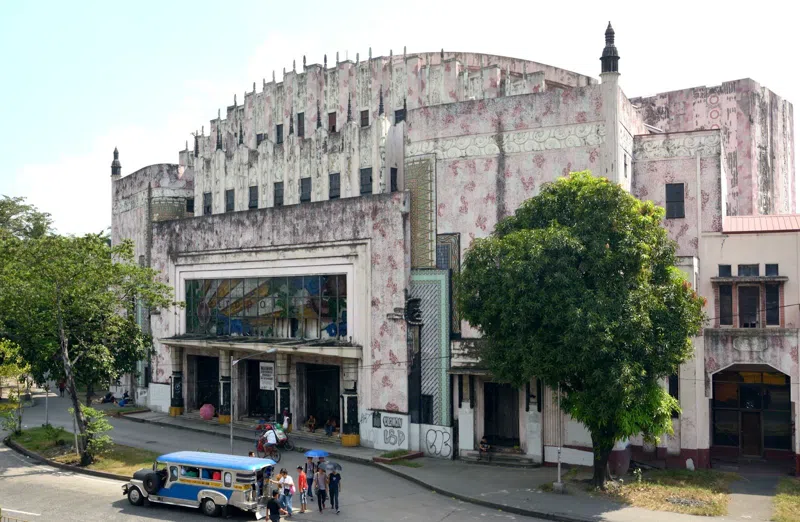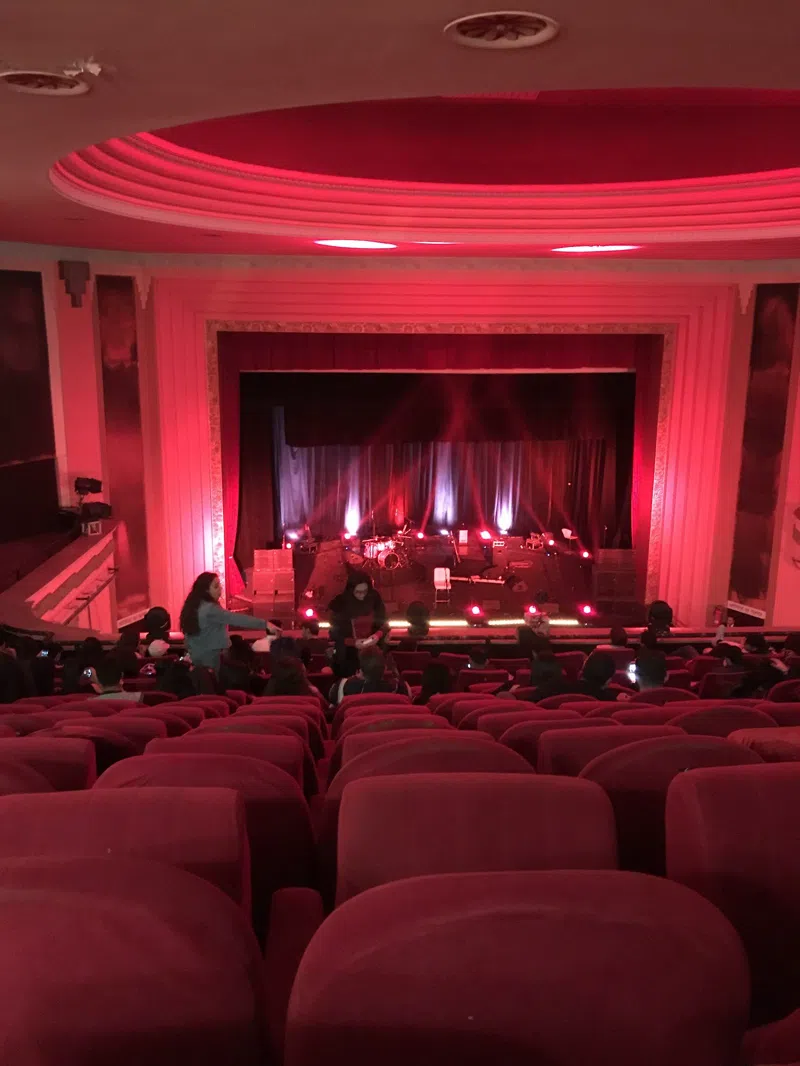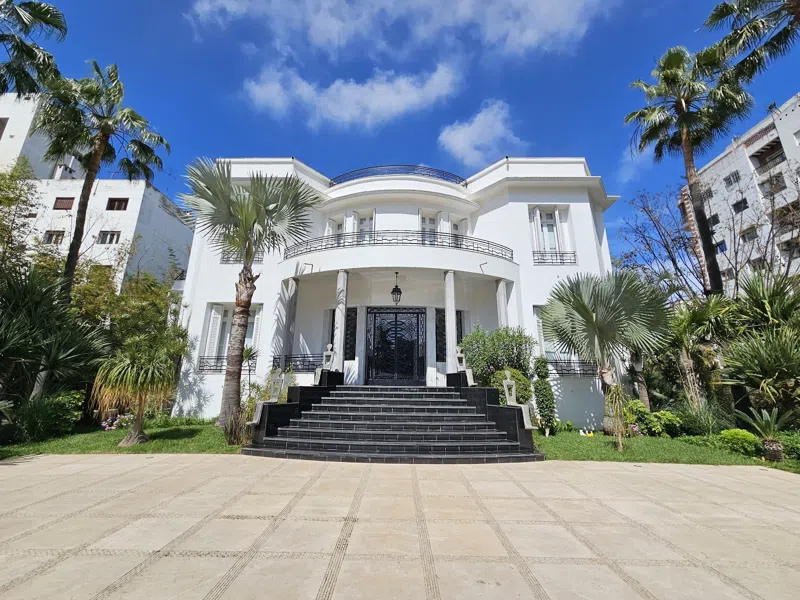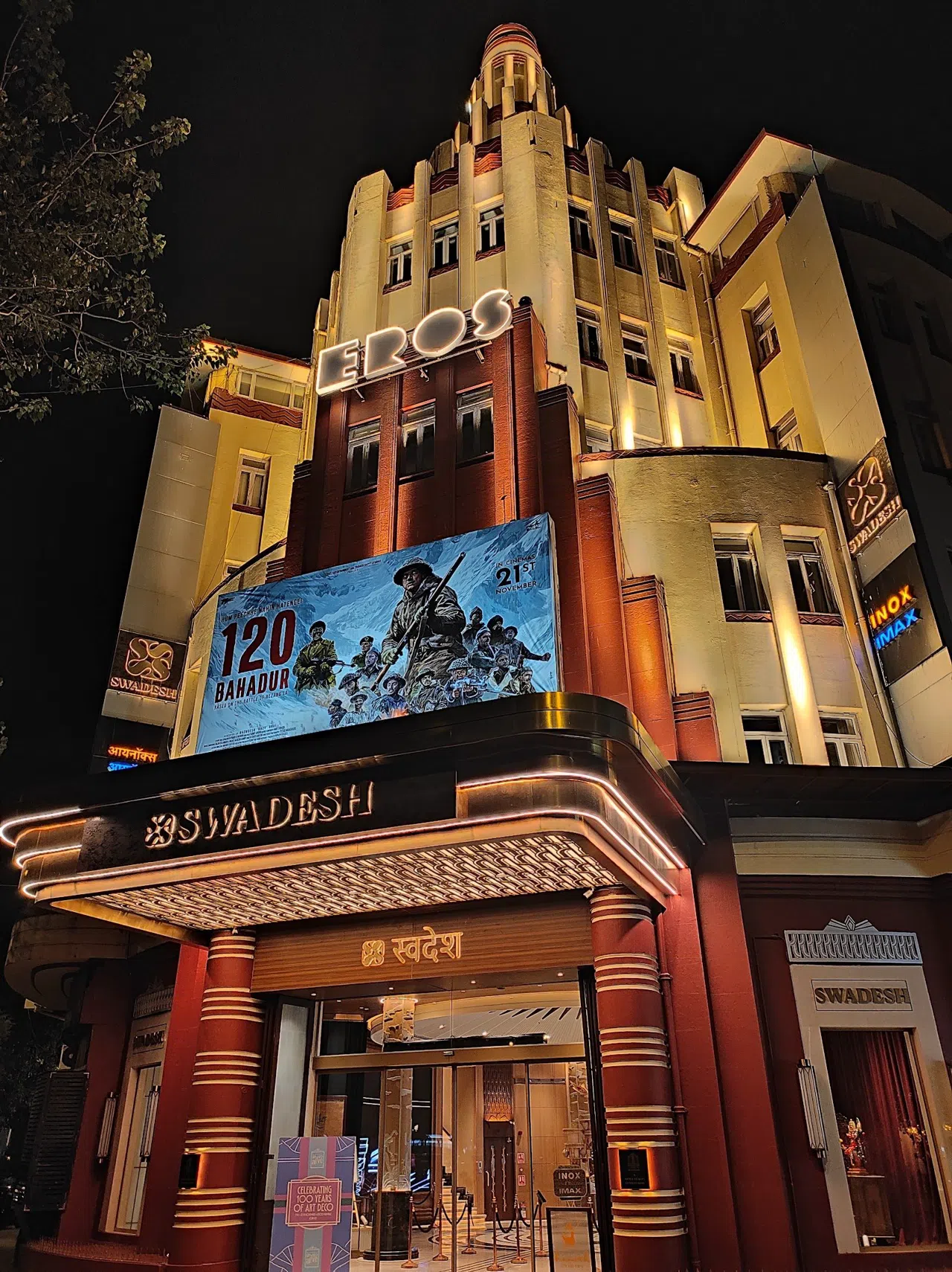

Walk out of Churchgate station towards the sea and the register changes within a few hundred metres: Gothic spires and grey stone give way to curved concrete balconies, porthole windows and cinema façades lit in geometric neon. This is Mumbai's Art Deco Mile, a UNESCO-listed ensemble of jazz-age buildings running from the Oval Maidan to Marine Drive, and by most serious counts it holds the world's second-largest concentration of Art Deco architecture, behind only one famous rival coastline. It rewards a slow morning on foot, not a few frames shot from a moving taxi.
Where the Walk Starts: Oval Maidan
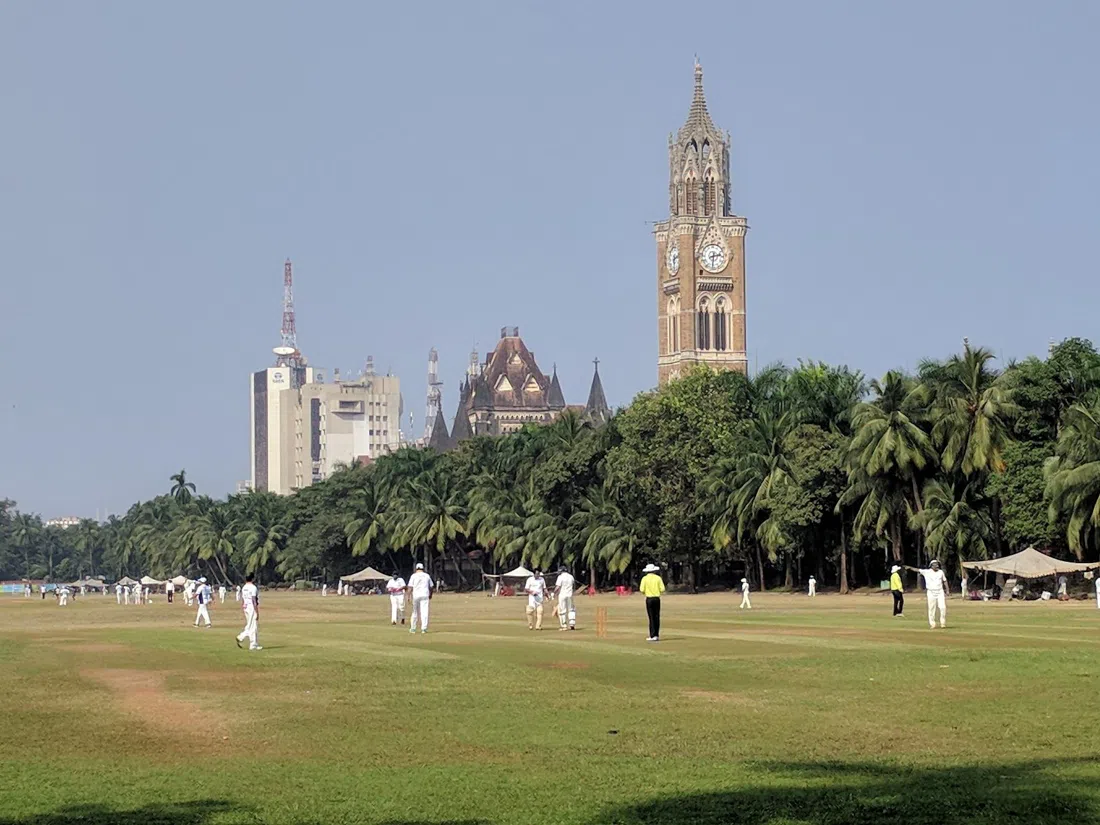
Oval Maidan (Churchgate/Fort) is the obvious place to gather a group before setting off. It's an open public park with no entry fee and no cap on numbers, which makes it the natural rallying point for anything from a couple to a coach party. Its real value to this walk is architectural rather than recreational: one long side of the maidan is Victorian Gothic — the Bombay High Court, the Rajabai Clock Tower — and the other, facing Marine Drive, is a run of Art Deco office and apartment blocks. That two-century face-off across one stretch of grass is exactly why UNESCO inscribed the "Victorian Gothic and Art Deco Ensembles of Mumbai" as a single World Heritage Site on 30 June 2018, covering the whole Fort precinct rather than listing the styles separately. Start here, and the contrast does the explaining for you.
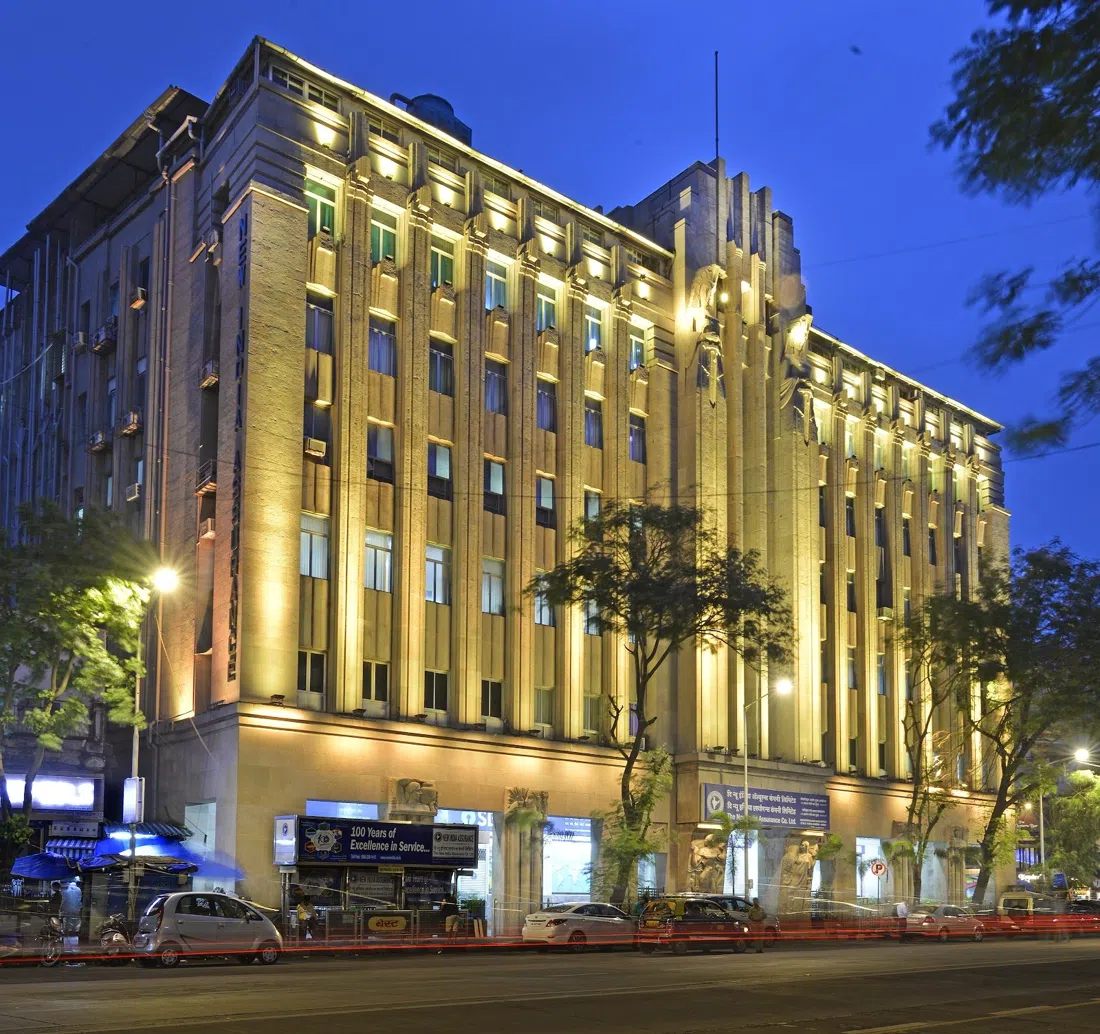
The building most people photograph first is the New India Assurance Building (Oval Maidan, Fort). Its façade mixes Deco geometry with Indian figurative relief work — a hallmark of the local style, which took the vocabulary of Streamline Moderne and localised it rather than copying it wholesale. It's a working insurance office, not a museum, so there's no public tour to book; groups view and photograph it from the maidan itself, which is free and unrestricted. Go in the first hour after sunrise if you want the façade without office-hours foot traffic in front of it.
Cinema Row: Jazz-Age Showmanship Still Selling Tickets
What separates Mumbai's Deco mile from most historic architecture routes is that several of its landmark buildings are still doing the job they were built for. This isn't a preserved streetscape you look at from behind a rope; it's cinemas selling tickets tonight, with door policies that range from full digital booking to a walk-up window.
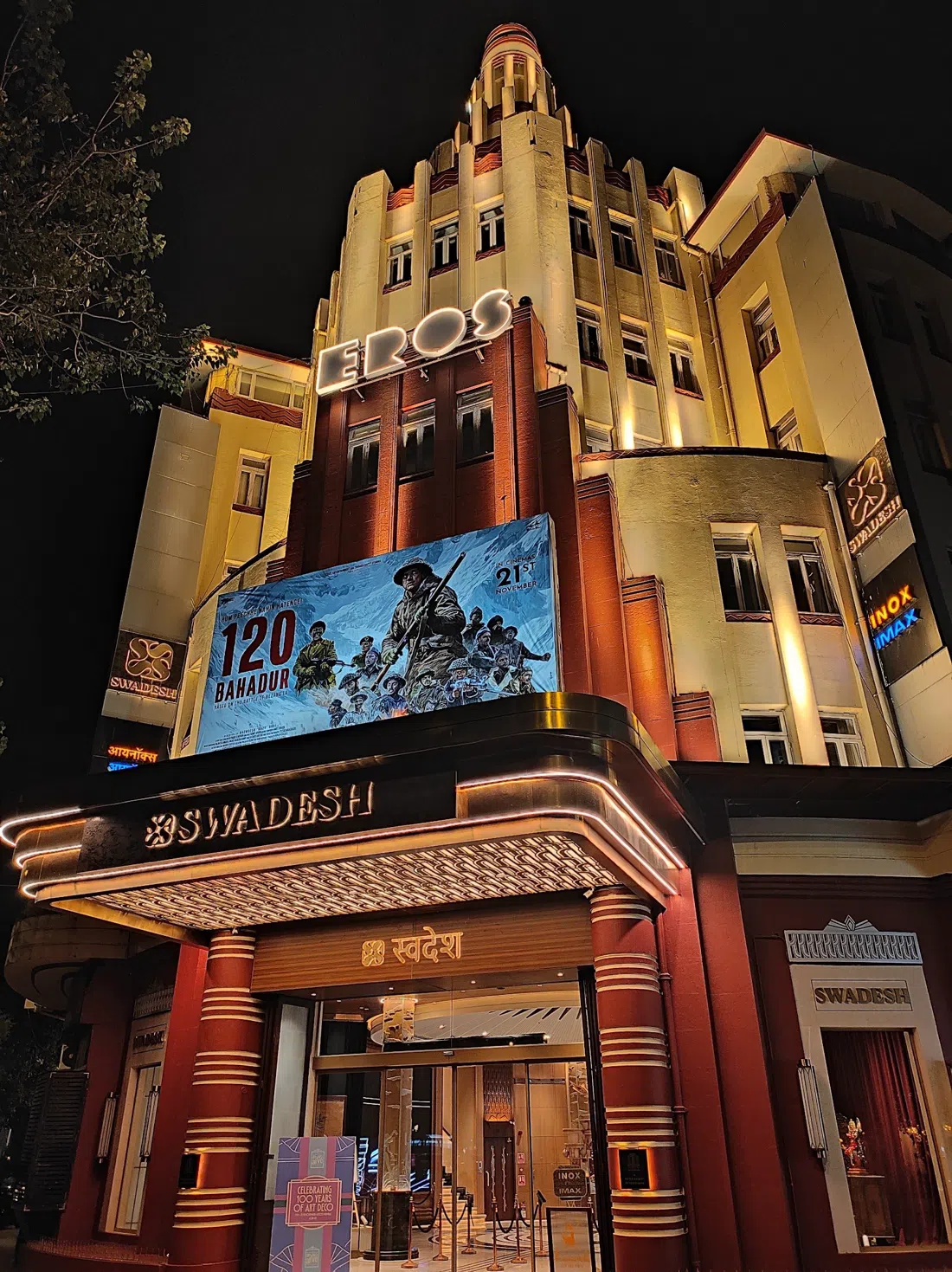
Eros Cinema (Eros INOX IMAX, Churchgate) is widely cited as one of Asia's finest surviving Deco cinemas — a cream-and-maroon set piece with a fin tower visible the length of the maidan. It runs on standard multiplex booking through PVR INOX, with group blocks bookable for larger parties, and tickets run ₹250–600 (roughly £2.50–6). Its 2024 IMAX relaunch matters for planning as much as for trivia: this is a fully modernised, functioning cinema, not a heritage shell, so booking works exactly like any other INOX screen.
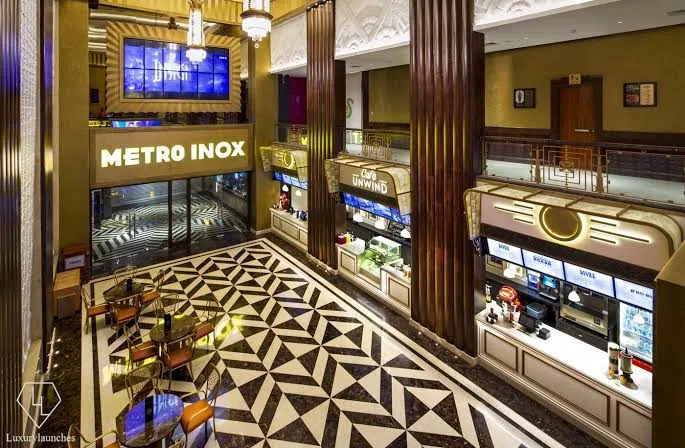
A short walk away, at Dhobi Talao, Metro INOX Cinemas (Metro INOX Heritage, Marine Lines) makes the same case with a different flavour — the best-preserved marriage of Hollywood-studio Deco showmanship and current cinema technology on the route. Booking and group arrangements mirror Eros: standard INOX system, group blocks available, ₹250–600 per ticket.
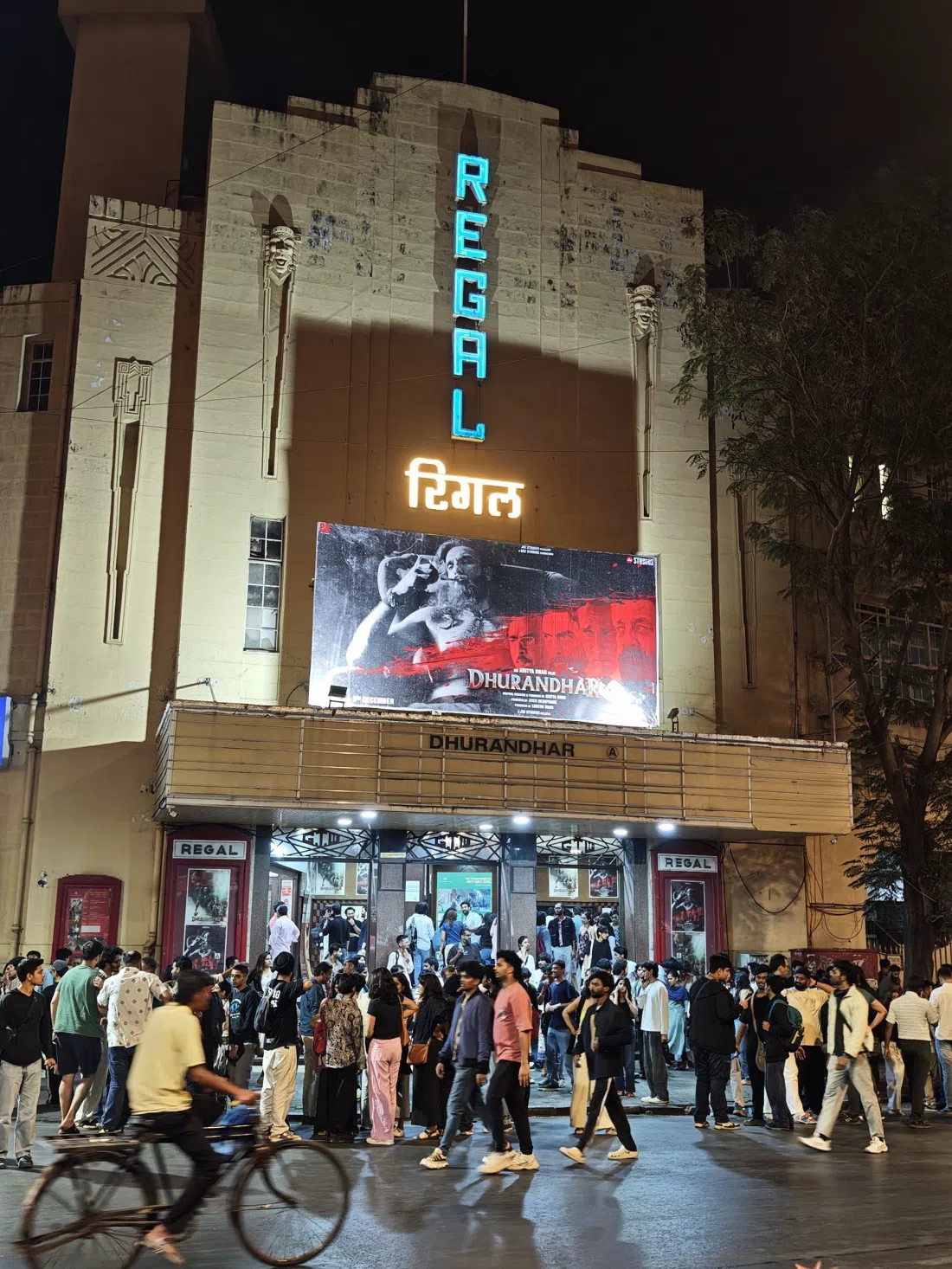
Down at the Colaba end, Regal Cinema (Colaba) is the outlier worth going out of your way for. It's one of the last single-screen halls still operating amid Mumbai's multiplex wave, a genuine time-capsule screening room where you queue at a window rather than an app. It's walk-in and informal, which makes it easy for small groups but not something to try block-booking for twenty people — tickets run ₹150–300 (about £1.50–3).
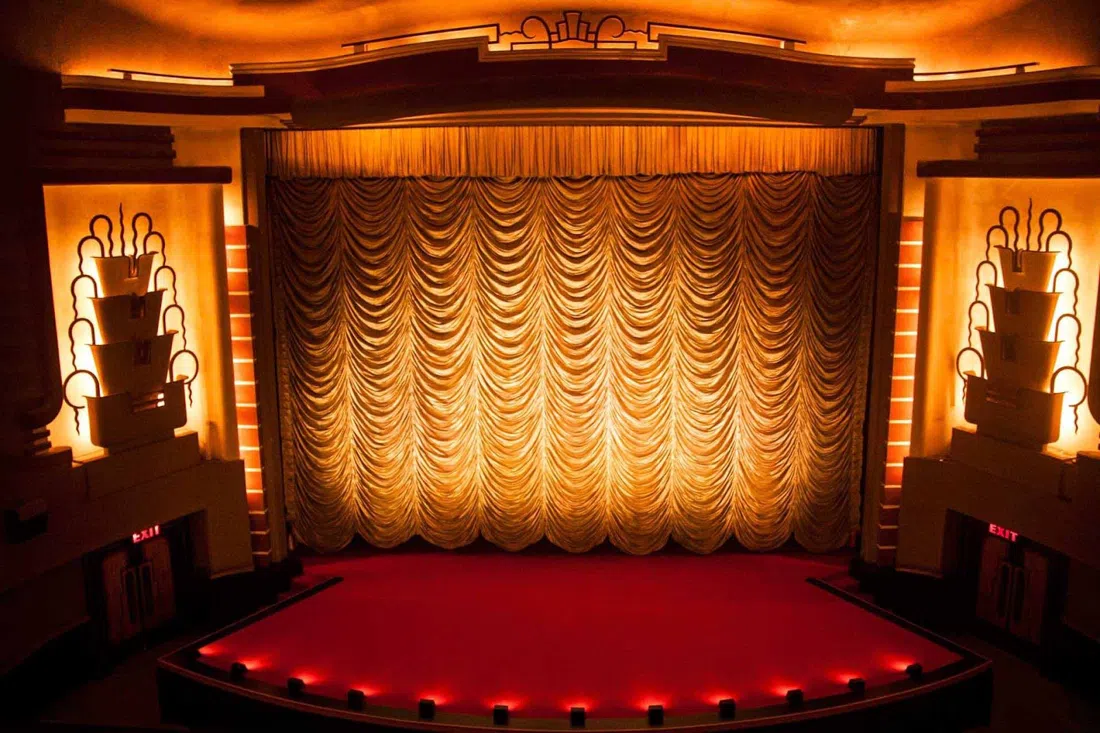
Liberty Cinema (New Marine Lines) is the one to plan around rather than drop into. It isn't a daily walk-in; it runs on an event and festival calendar — KASHISH, Mumbai's queer and inclusive film festival, is a regular tenant — so check current listings before routing a group here. Private group visits can be arranged through the trust that runs the building even outside festival dates, and ticket prices when there is a screening typically run ₹200–500 depending on the event. It's still a publicly accessible, operating heritage cinema, just not one you can turn up to on spec.
Marine Drive's Curved Concrete: Streamline Deco at Sea Level
From the Oval, the walk runs down toward the sea and joins Marine Drive, where the Deco register shifts from cinema showmanship to residential Streamline — the curved corners, horizontal banding and porthole windows that borrow directly from ocean-liner design.
Soona Mahal (Marine Drive) is the building the Art Deco Mumbai Trust calls the "gold standard" of Marine Drive Deco, and it's easy to see why on the ground: rounded corners wrap the block like a ship's prow, and the horizontal window bands read as speed lines even when the building is standing still. It's a private residential building — no entry, exterior viewing and photography from the street or promenade only, and free.
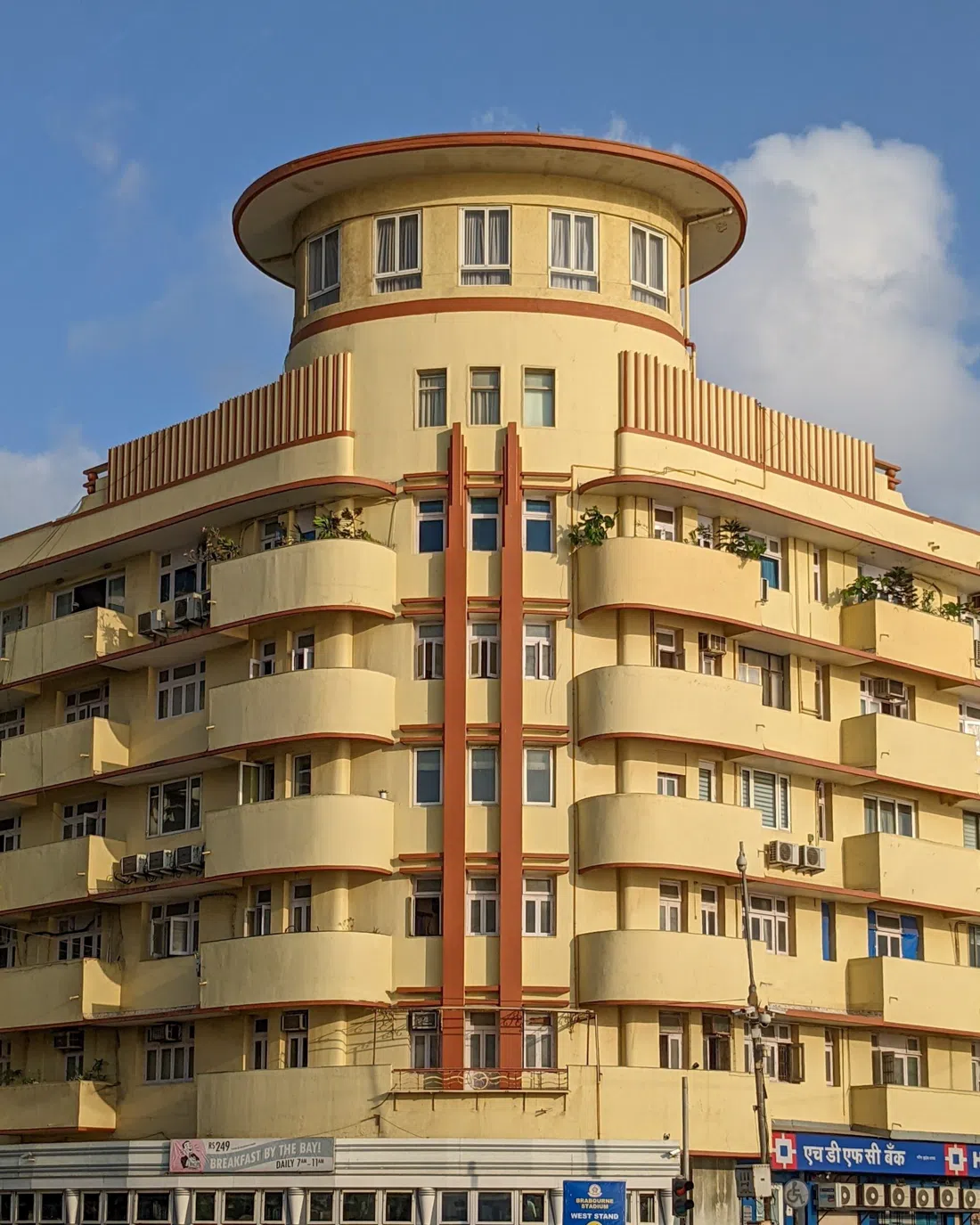
A little further along, Empress Court (Marine Drive) makes a useful counterpoint. Where Soona Mahal is all curves, Empress Court is scaled-up, formal apartment-block Deco — geometric rather than nautical, a reminder that the Marine Drive ensemble isn't one style repeated but a set of variations on shared Deco grammar. Again, exterior only, free to view from the street. Both buildings are lived-in — residents use these entrances daily — so keep photography to the street and pavement rather than lobbies or stairwells; it's the same courtesy any residential street deserves, Deco landmark or not.
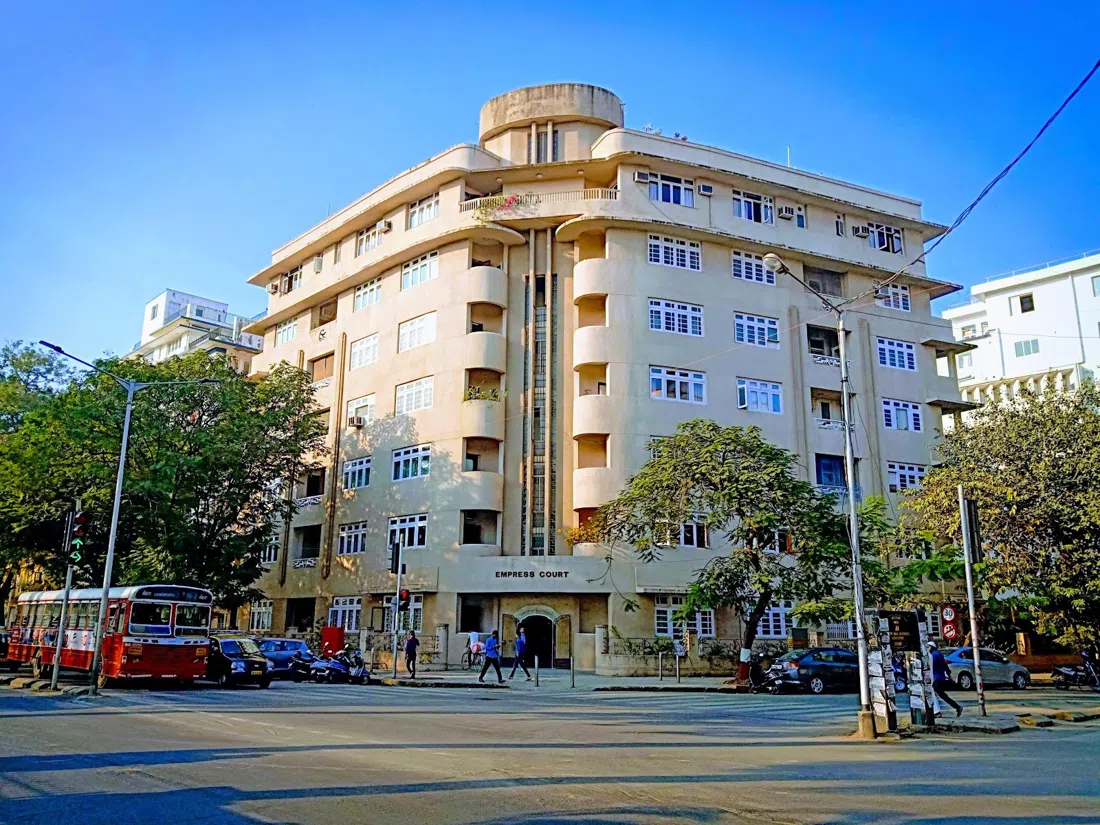
Walking Marine Drive properly means doing it slowly enough to read the buildings rather than just the sea view opposite them; budget at least an hour for the stretch between the Oval and Chowpatty if you're stopping to look up at each block rather than just walking the promenade.
Where You Can Actually Sleep Inside the Ensemble
Most of this walk is look-don't-touch, which is what makes the two hotels on the route worth flagging separately — they're the rare chance to stay inside a working Deco building rather than just photograph one from the pavement.
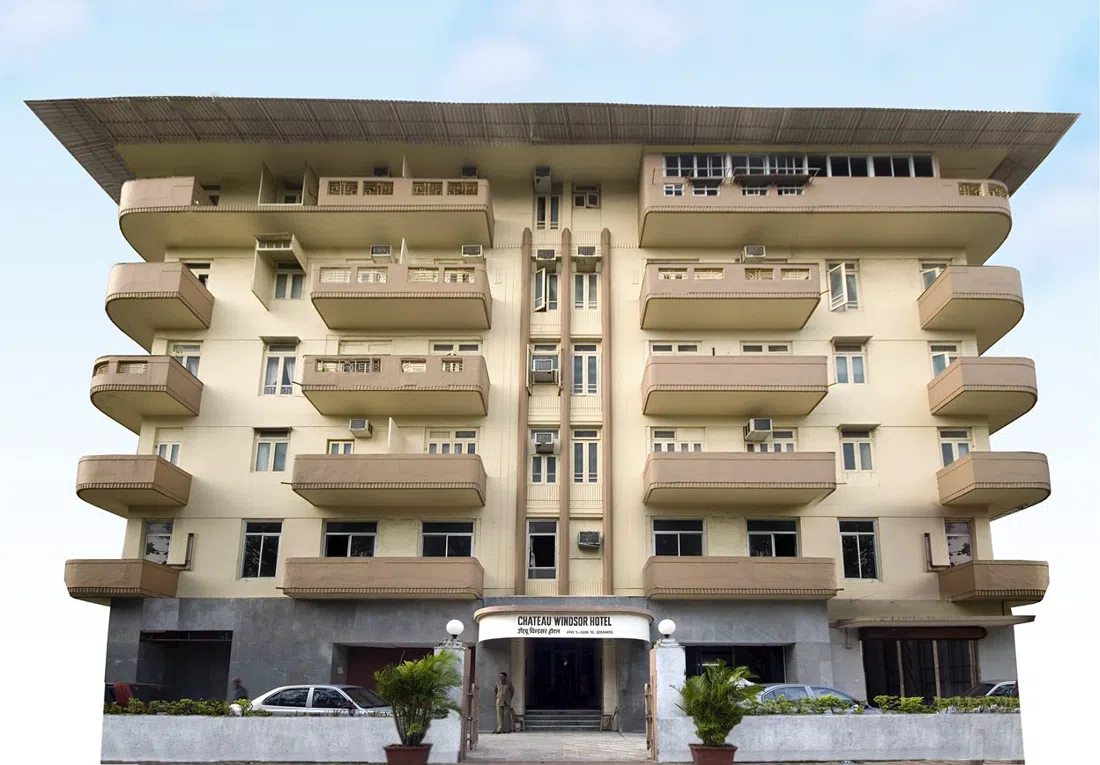
Chateau Windsor Hotel (Veer Nariman Road, Churchgate) is a small, family-run heritage hotel that can hold a small group for a stay but isn't set up for large tour parties — think a handful of rooms held for friends travelling together, not a coach booking. Rates run £25–45 a night, budget-heritage territory.
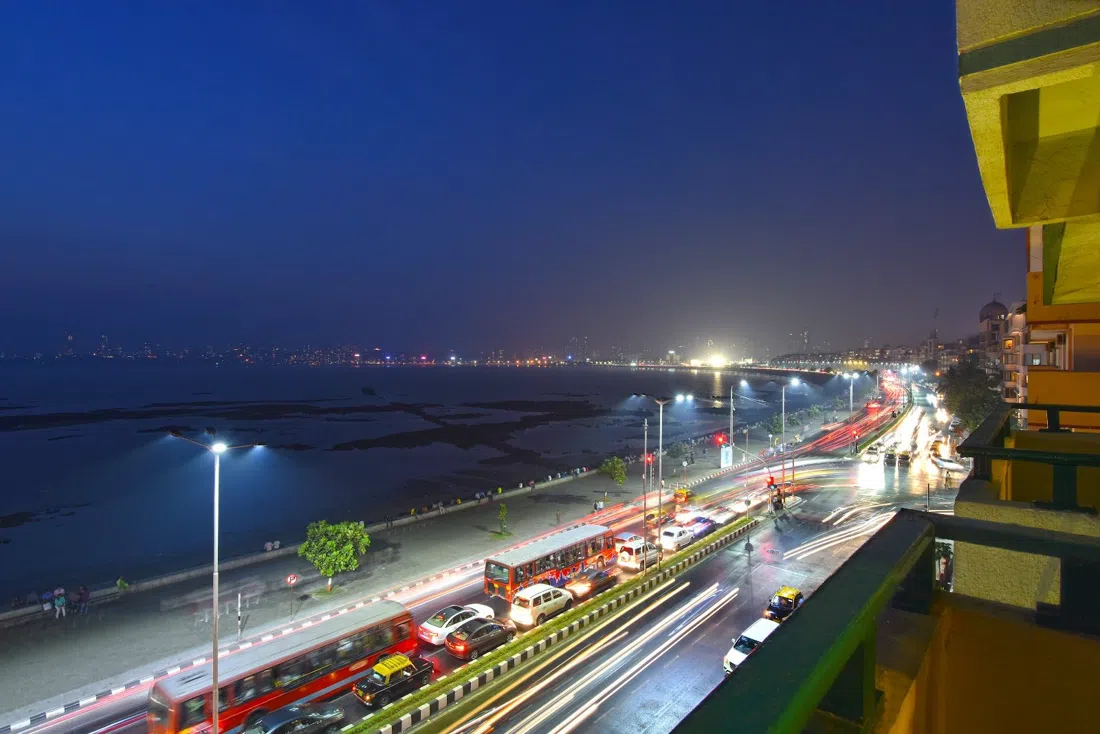
Sea Green Hotel (Sea Green South, Marine Drive) works at a similarly small scale — book ahead if you want a block of rooms, since it doesn't have the inventory to absorb a walk-in group. What it offers that Chateau Windsor doesn't is the view: sea-facing balconies looking straight out over the same ensemble you've just walked past, at £20–40 a night. For anyone building a longer trip around this route rather than a single afternoon of it, start with a broader Mumbai hotel search and treat these two as the specific, on-route options worth checking first.
The Pavilion You See From the Pavement
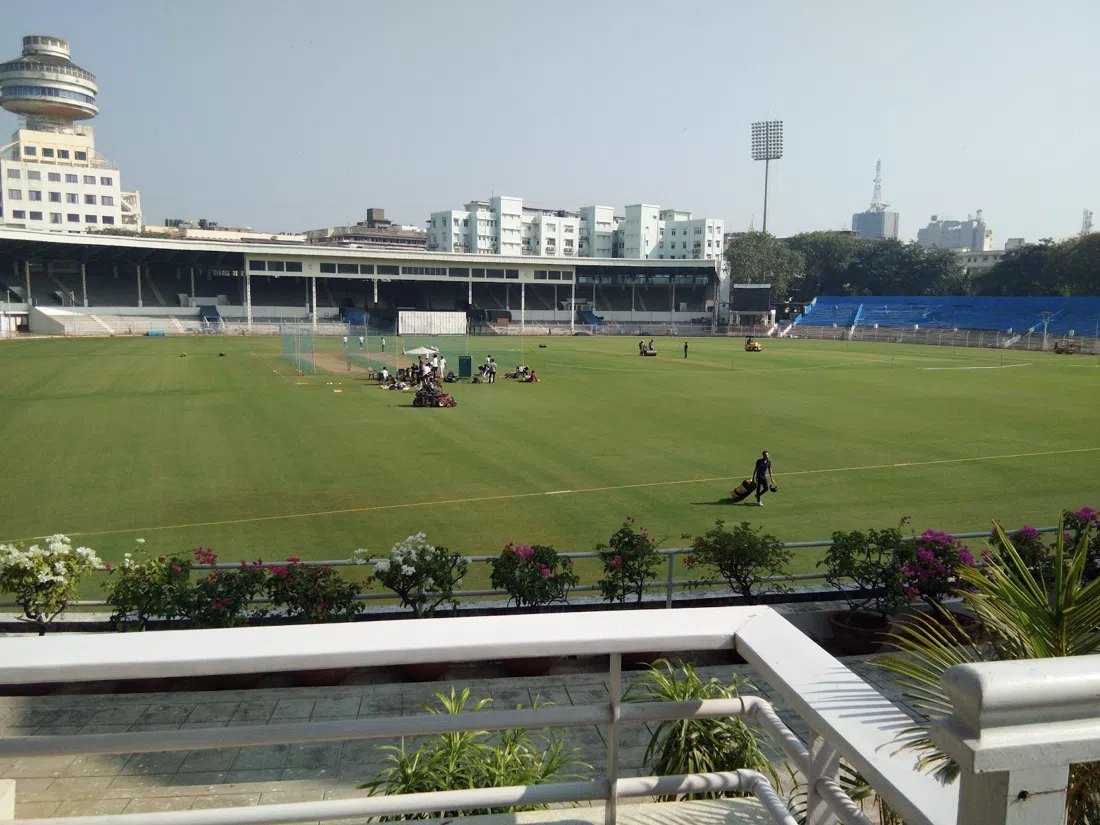
The Cricket Club of India (Brabourne Stadium, Churchgate) sits at the southern end of Marine Drive and is worth including on the route with an honest caveat attached: access is for members and their guests, or for match-ticket holders during fixtures — it is not a walk-in tourist site, and turning up expecting a tour will end in disappointment at the gate. That said, the pavilion itself is visible and photographable from Marine Drive and Churchgate without setting foot inside, and its Deco lines are worth the two minutes it takes to look up as you pass. If you time a visit around a fixture, buying a match ticket is the one way past the members-only line, though fixtures are irregular enough that it's worth checking the calendar well before building a group day around it — prices vary by game, with no fixed tourist rate.
Walking It With Someone Who Knows the Facades
For readers who want the history rather than just the silhouettes, the Art Deco Mumbai Trust runs guided walks built around the same two clusters this route covers. "Art Deco at the Oval" is a small-group walk (4–8 people, roughly 60–70 minutes) covering the maidan-facing ensemble; "Deco by the Sea – Marine Drive" runs longer (6–10 people, roughly 90–100 minutes) and covers the seafront stretch. Both are genuinely small-group by design, not padded-out tour-bus formats.
One timing note worth planning around: the Trust's scheduled weekend walks are paused through the monsoon, which in 2026 runs into August, so don't expect to just show up and join one in that window. Private group tours can still be arranged directly with the Trust outside the scheduled calendar, custom-quoted per booking — the better route for anyone travelling with a group of any size who wants a guide rather than this article as their only reference.
Practical Notes
Transport. Churchgate and Marine Lines suburban rail stations bookend the route and are the fastest way in from anywhere else in the city; the whole walk from the Oval to the northern end of Marine Drive covers roughly 3–4km at an unhurried pace. Autos and taxis are easy to flag along Marine Drive itself for the return leg once you've walked the outbound stretch, so there's no need to double back on foot. Don't try to drive the route yourself — Marine Drive parking is close to impossible on weekend evenings, and the point of the walk is looking up, which you can't do from behind a wheel.
Cash. Keep small notes on hand. Regal Cinema and most street-level bookings are cash-friendly and don't always have working card machines; the INOX chains at Eros and Metro, and both hotels, take cards without issue.
Timing. Walk the Oval Maidan stretch early — 7–9am gives you the New India Assurance Building without office traffic in the frame and beats the heat. Save Marine Drive for late afternoon into dusk, when the curve of the bay lights up and the Deco silhouettes read best against the sky. Cinema visits obviously run to evening showtimes. And factor in the monsoon caveat above if you're visiting in August 2026: the scheduled Trust walks are off, though the buildings and the private-tour option are not.
Budget. A minimum version of this walk costs almost nothing — the Oval, the exteriors on Marine Drive and the Cricket Club pavilion are all free to view, and a single cinema ticket at Regal runs under ₹300. Add a film at Eros or Metro and you're still under ₹1,000 for the day. The version that includes a night at Sea Green Hotel or Chateau Windsor, plus a private Trust walk, is where the budget moves — but it's also the version that gets you inside the ensemble rather than just past it. For the rest of the city beyond this route, the full Mumbai guide covers where this walk connects to.